
By Frazer Bwalya Musonda
As Zambia moves closer to another general election, citizens expect political leaders to persuade voters by presenting new ideas, defending their record, and outlining a credible vision for the future. Unfortunately, some campaign messages are increasingly centered on reviving false historical claims that risk dividing rather than uniting the country.
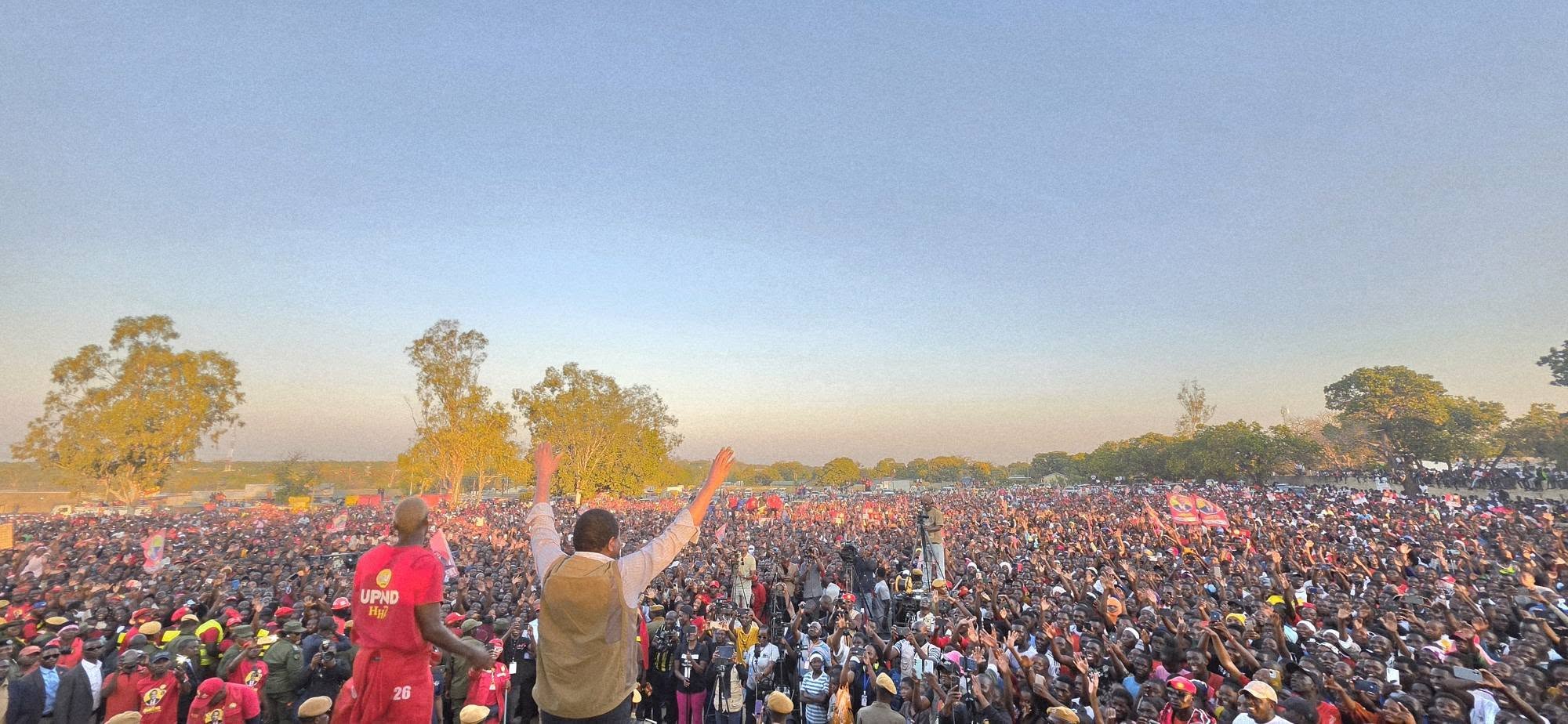
Earlier this year, in January if memory serves, President Hakainde Hichilema claimed that people travelling from Choma or Dundumwezi to Lusaka’s Intercity Bus Terminus were once beaten simply because they were perceived to be his supporters. Today, while speaking at a rally in Sikongo, the president repeated a similar claim, saying that people travelling from Sikongo to Lusaka were assaulted upon arrival at Intercity because they supported the UPND.
There appears to be no publicly available evidence showing that people from these areas were beaten at Intercity Bus Terminus simply because they came from Southern or Western Province or were assumed to support President Hichilema. I searched the archives of two of the most prominent UPND propaganda Facebook pages, Zambian Watchdog and Koswe, for reports between 2011 and 2021. Even these highly partisan platforms did not document incidents of people being beaten at Intercity solely because of their regional origin or perceived political affiliation.
That absence of evidence is concerning because a President’s words carry enormous weight. When a Head of State presents historical claims that many citizens cannot verify, those statements inevitably shape how communities perceive one another.
Even in an extreme case where one assumes that isolated incidents may have occurred, the responsibility of the president is not merely to recount such painful memories but to encourage reconciliation and remind citizens how far the country has come. I believe that Zambia’s greatest political strength has been its ability to manage intense political competition without allowing ethnic divisions to become permanent features of our lives.
I understand that Politicians generally say regrettable things during campaigns, especially when they address huge rallies. Former President Edgar Lungu himself occasionally made inflammatory statements while addressing large rallies. At one point he suggested that President Hichilema (then in opposition) would face jail after elections over alleged theft of public resources, claims that were never substantiated with concrete evidence. Such rhetoric deserved criticism then, just as divisive rhetoric deserves criticism today, regardless of who is in State House.
Campaigns naturally tempt politicians to tell supporters what generates the loudest applause rather than what best serves national interests. Emotional narratives often produce stronger reactions than discussions about policy performance.
Zambia today faces challenges that deserve far greater attention than made-up stories from the past. Businesses continue to recover from the severe effects of prolonged load-shedding, households have endured difficult economic conditions, and many young people remain concerned about employment opportunities and the rising cost of living. These are the issues that should really dominate our political debate.
The UPND government has achievements it can legitimately present to voters. Free education has expanded access to schooling for many children. Increased Constituency Development Fund (CDF) allocations have provided constituencies with more resources for community projects. Whether voters consider these successes sufficient is a political question, but they are tangible policies that deserve discussion.
Instead, repeatedly invoking claims of regional victimization risks reinforcing the perception that some provinces share a common political identity against others, the “Zambezi versus Northern/Eastern” divide that has become increasingly normalized. The President has historically enjoyed overwhelming electoral support in Southern, Western and North‑Western Provinces. Constantly reminding those communities that they were supposedly targeted because they supported him may strengthen political loyalty, but it also risks deepening regional political identities at a time when Zambia needs to move beyond them.
Interestingly, the tone often changes when the President campaigns in other parts of the country. There, the emphasis shifts toward national unity, inclusiveness, and the familiar motto: One Zambia, One Nation. That message should not be reserved for particular audiences. It should define every campaign speech regardless of where it is delivered.
Politics will always involve disagreement; democracy depends on divergent debate. But there is an important difference between competing over policies and encouraging citizens to view one another through tribalism.
As elections approach, Zambians deserve campaigns centered on ideas, performance, and competing visions for the country’s future. The nation has overcome many challenges precisely because successive generations chose unity over division.
One response to “President Hakainde Hichilema’s campaign rhetoric risks national unity”
A well written analysis of the current political situation.